SP2SP2.2: Radar penetration of TanDEM-X on glaciers & ice caps SAR tomography for 3D imaging of snow and firn structures
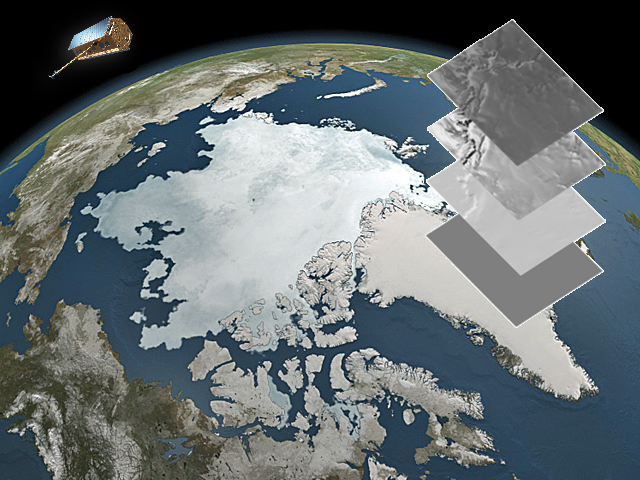
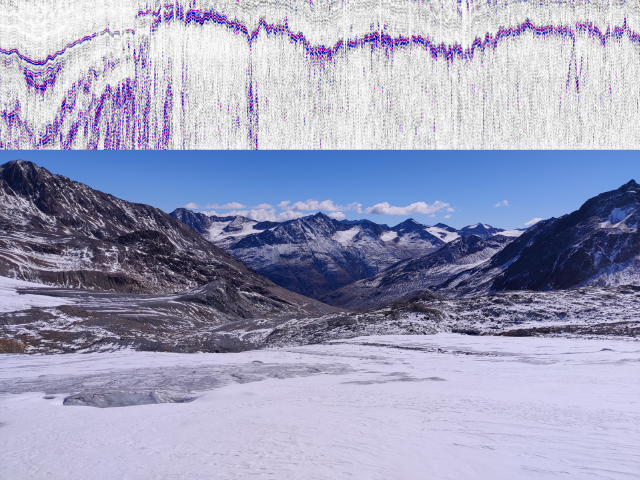
The radar signal can penetrate into snow, firn, and ice bodies depending on liquid water content and internal structure of the porous medium as well as radar imaging parameters. Consequently, the interferometric phase center of the backscattered radar signal is located at a certain depth below the actual topographic surface, leading to a bias between the glacier surface and the estimated one from SAR interferometry (Rott et al 2021, Rizzoli et al 2017). Radar penetration is still a large source of uncertainty in estimates of glacier volume and mass change from bi-static SAR mission data like bi-static TanDEM-X or the upcoming HRWS MirrorSAR (Braun et al. 2019, Huber et al. 2020).The radar signal can penetrate into snow, firn, and ice bodies depending on liquid water content and internal structure of the porous medium as well as radar imaging parameters. Consequently, the interferometric phase center of the backscattered radar signal is located at a certain depth below the actual topographic surface, leading to a bias between the glacier surface and the estimated one from SAR interferometry (Rott et al 2021, Rizzoli et al 2017). Radar penetration is still a large source of uncertainty in estimates of glacier volume and mass change from bi-static SAR mission data like bi-static TanDEM-X or the upcoming HRWS MirrorSAR (Braun et al. 2019, Huber et al. 2020).